7 Skin Changes That Happen During Perimenopause And What to Do About Each One

Perimenopause can bring noticeable changes to your skin. As estrogen levels fluctuate, collagen declines, moisture decreases, and skin becomes less elastic. These hormonal shifts can lead to dryness, breakouts, fine lines, thinning skin, sensitivity, dark spots, and redness. To address the 7 common skin changes focus on hydration, barrier support, gentle actives, and daily SPF. All these can make a meaningful difference.
In this blog post, we will tackle the 7 common skin changes that happen during perimenopause and what to do about each one.

1. Dryness
As estrogen declines, your skin loses some of its natural ability to stay hydrated. Reduced oil production and lower hyaluronic acid levels can weaken the skin barrier, leading to dryness and tightness.
What to do:
Use a nourishing moisturizer formulated with ceramides, glycerin, and hyaluronic acid to keep skin hydrated throughout the day.
Product Recommendation:
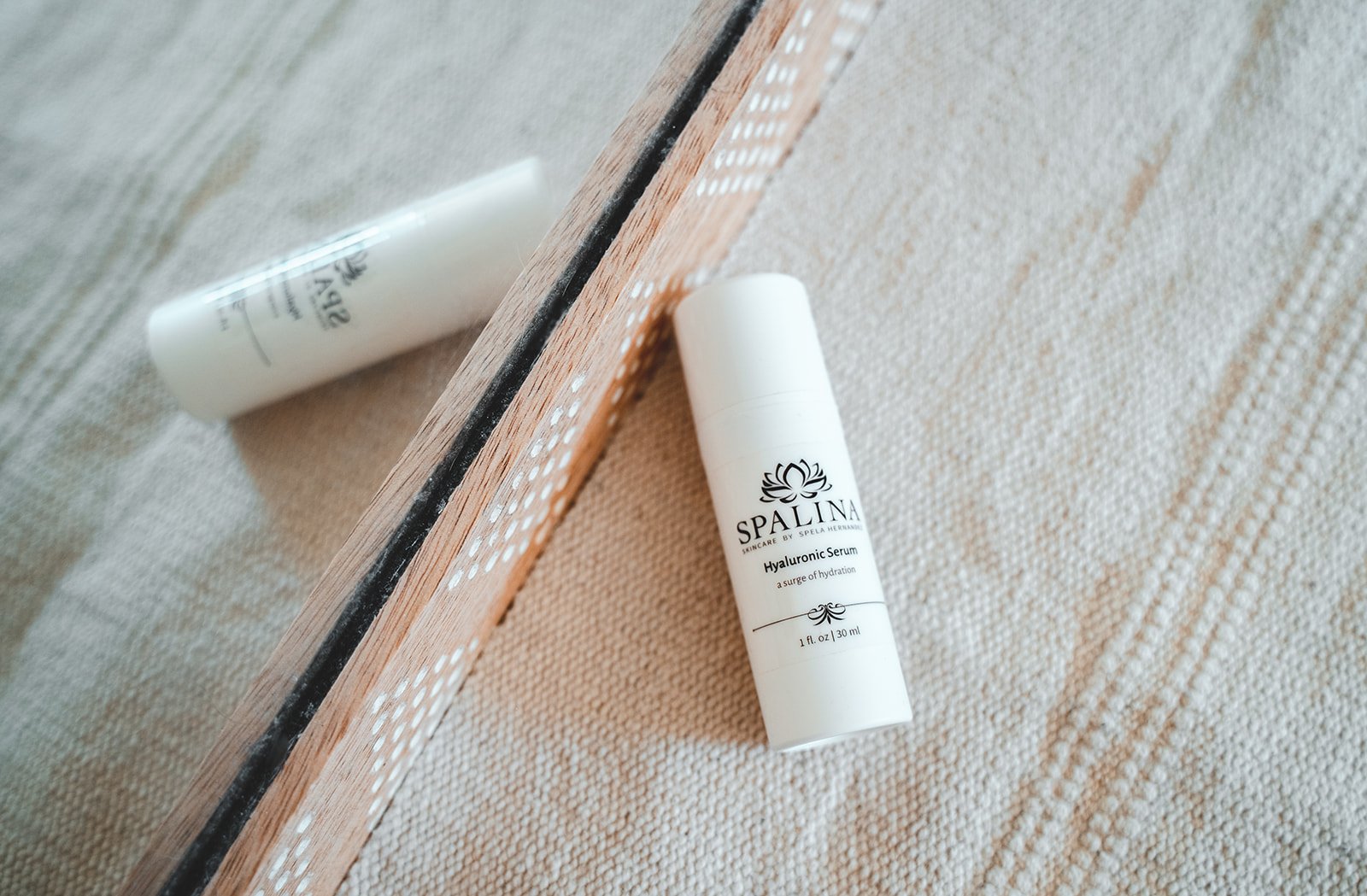
This serum is made to help you restore the moisture balance of the skin. It contains antioxidants for added nourishment and rejuvenation. Hyaluronic acid is a powerful humectant that can hold up to 1000 times its weight in water, meaning it blasts even the most dehydrated completion with moisture.
2. Adult Acne and Breakouts
Lower estrogen can temporarily shift hormone balance, causing the skin to produce more oil. This often leads to clogged pores and acne along the lower face.
What to do:
Choose a gentle cleanser and incorporate a salicylic acid product to unclog pores and reduce breakouts. Steer clear of harsh exfoliants and drying scrubs that can compromise the skin barrier.
3. Fine Lines and Loss of Firmness
During the menopausal transition, collagen breaks down more quickly than the body can replace it. Up to 30% of skin collagen may be lost in the first few years after menopause.
What to do:
Incorporate retinoid into your routine to promote cell turnover, stimulate collagen production, and improve skin texture.
Product Recommendation:
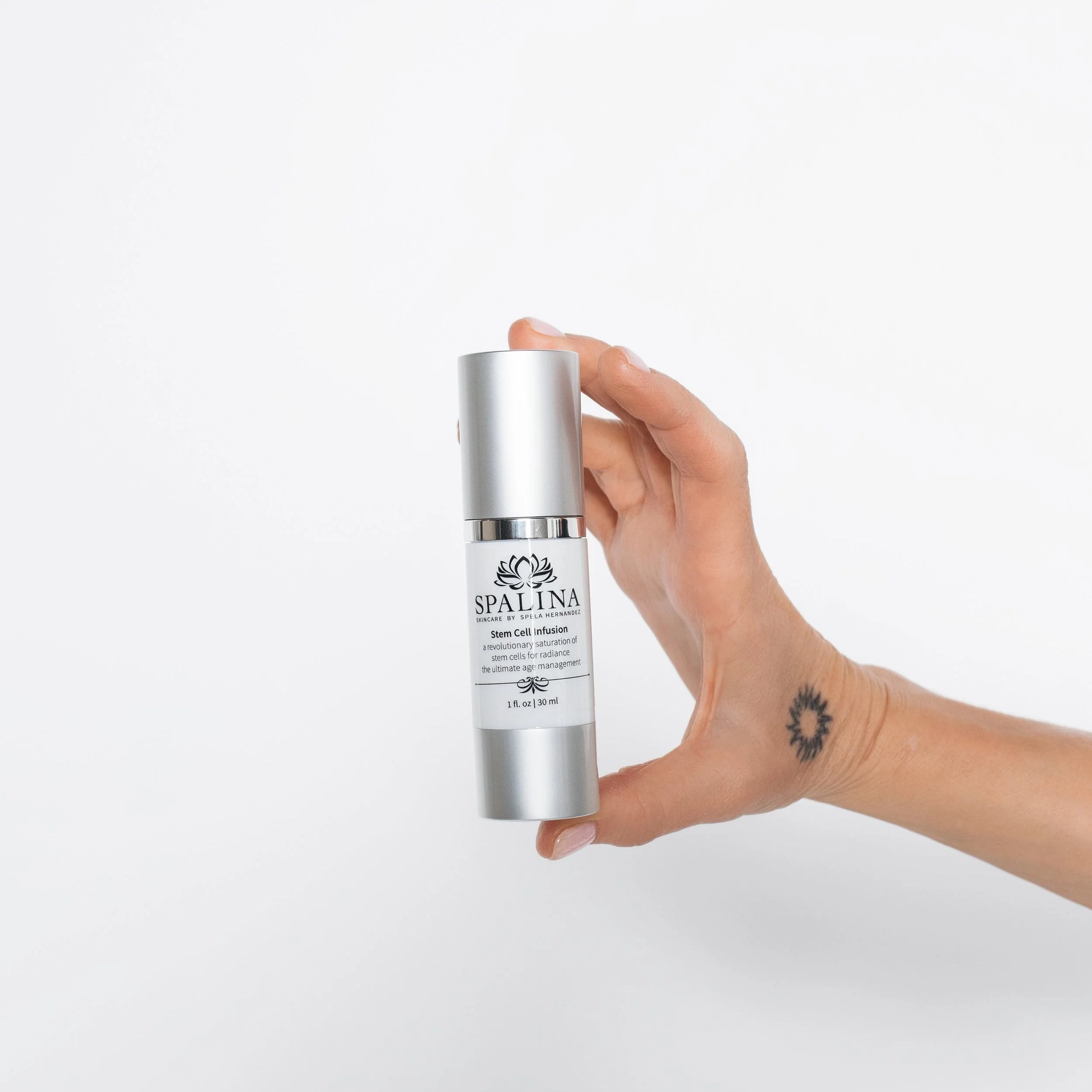
Stem Cell Skin Care features advanced exosome technology, which delivers over 600 growth factors and skin cells. This slows down the aging process and stimulates new cells to rebuild collagen and elastic, to keep your skin firm and supple.
4. Thinning Skin
The loss of collagen and elastin causes the skin to become thinner and less resilient, increasing its susceptibility to bruising and injury.
What to do:
Minimize sun exposure and protect fragile skin from physical stress. Incorporate peptide-containing serums to support skin firmness and improve its appearance.
Product Recommendation:
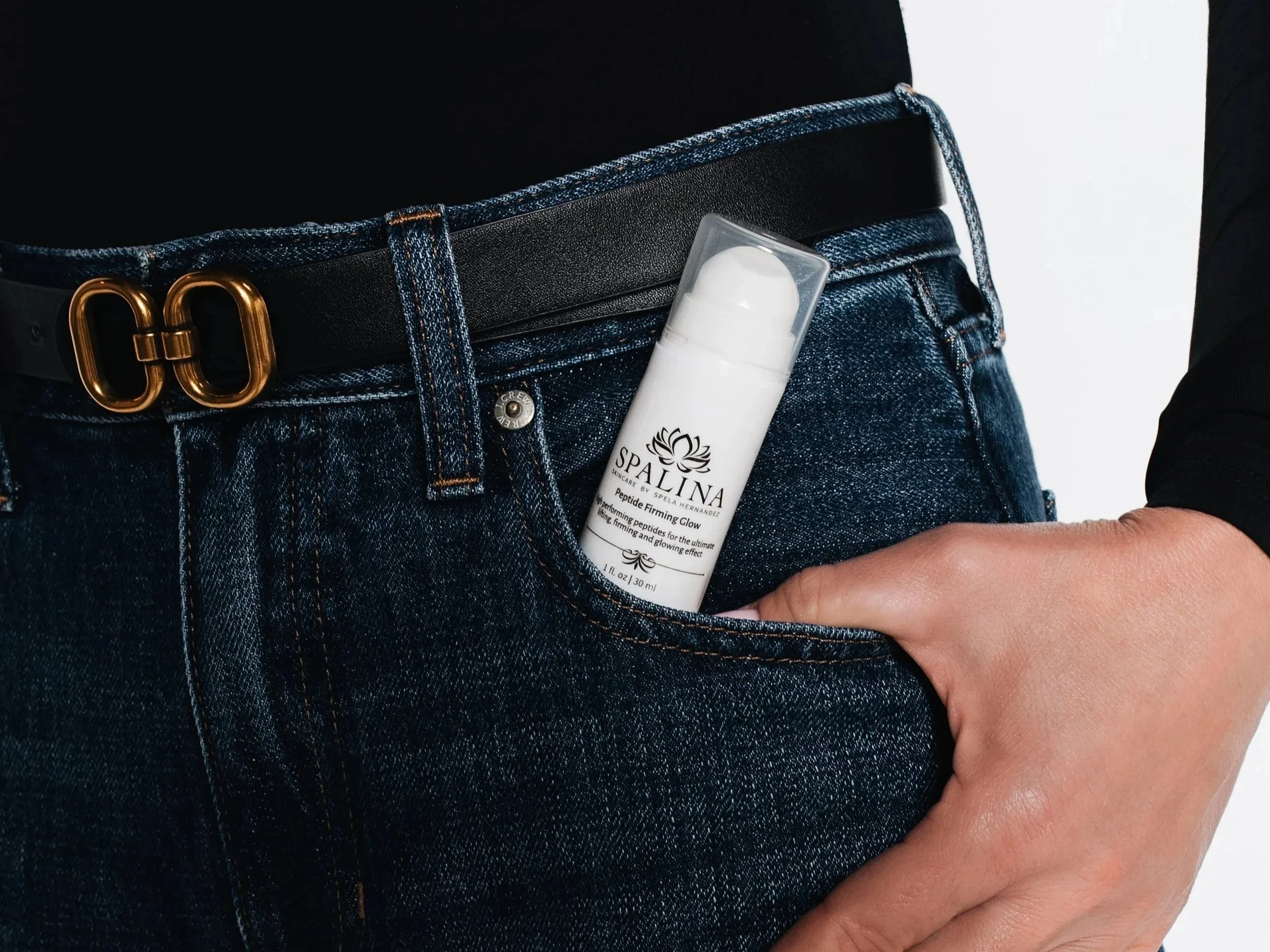
This anti-aging peptide serum is meant to be used for the face and neck. It has high-performing peptides for that ULTIMATE lifting, firming, and glowing effect!
5. Increased Sensitivity
A weakened skin barrier increases sensitivity, making the skin more reactive to exfoliating ingredients and environmental stressors.
What to do:
Keep your skincare routine simple and choose products that support sensitive skin.
6. Uneven Tone and Hyperpigmentation
Hormonal changes, along with years of sun exposure, can disrupt melanin production and contribute to dark spots, uneven tone, and patchy discoloration.
What to do:
Help improve uneven tone with brightening ingredients like vitamin C. Apply mineral suncreen SPF 30 or higher every day to protect against further dark spots.
Product Recommendation:
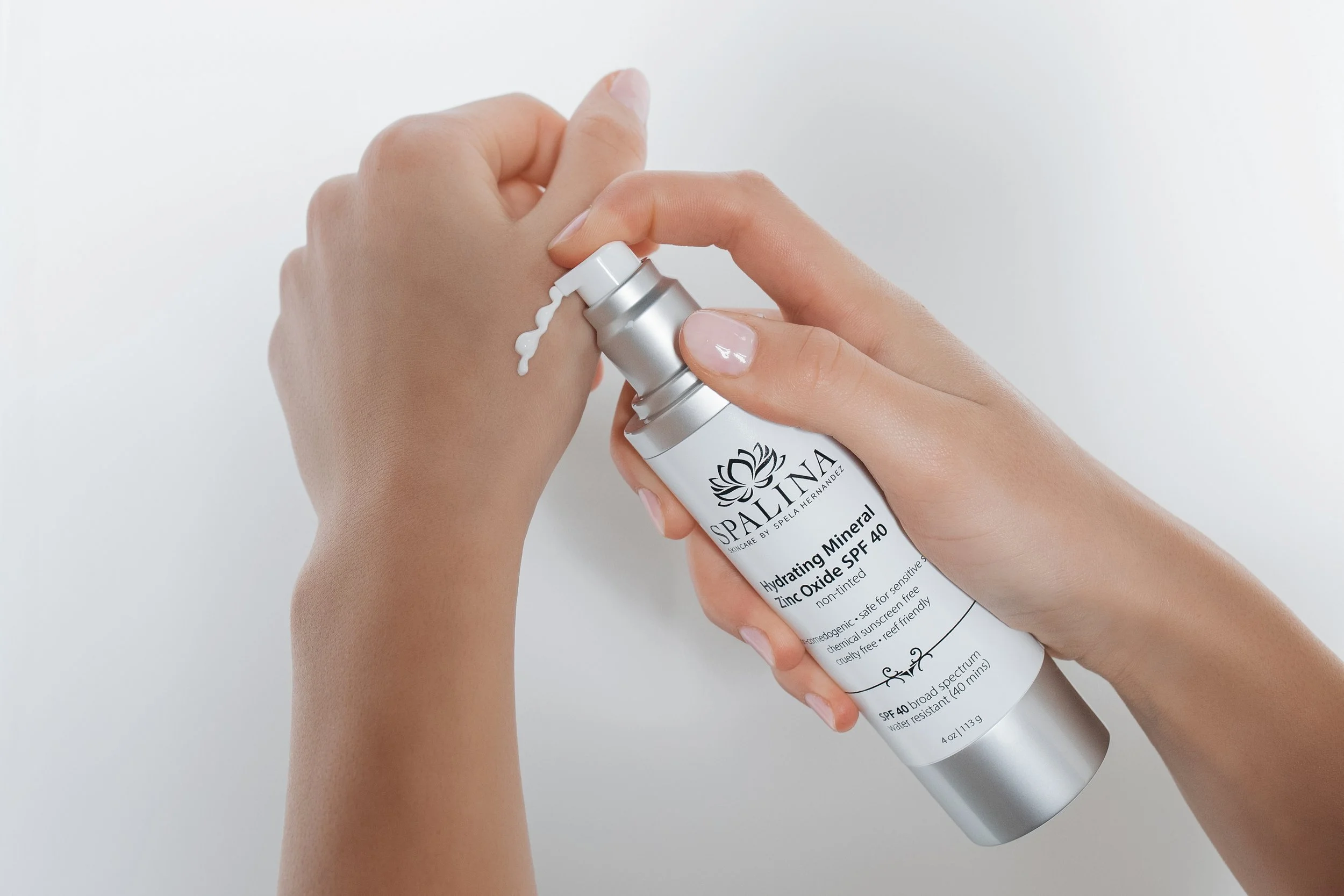
Gentle, moisturizing, mineral sunscreen suitable for all skin types. Virtually vanishes on all skin tones, even darker tones. Dries quickly, leaving an elegant, dewy finish. 20% Zinc Oxide calms and soothes; perfect even for sensitive skin and children 6 months and over.
7. Flushing and Redness
As hormones shift during perimenopause, changes in temperature control and circulation can trigger sudden flushing, warmth, and redness in the face.
What to do:
Pay attention to what causes flushing and reduce triggers like spicy foods, caffeine, and alcohol. Choose gentle, calming skincare with ingredients that help comfort and nourish sensitive skin.

If you want to keep learning what really works for skin in perimenopause and menopause, come find me on Instagram — I share ingredient breakdowns, daily tips, and the lessons from 20+ years of working with women in this stage.
