
Perimenopause Skincare:
What's Happening to Your Skin
(And What Actually Helps)
Le't’s Talk about Perimenopausal Skincare
You've been taking care of your skin for decades. You have a routine. You've found products that work. And then, somewhere in your 40s sometimes earlier, your skin starts doing something different. It's drier than it's ever been. More reactive. You're seeing fine lines in places you didn't expect. Your foundation sits differently. You might be breaking out in ways that feel more like your teenage years than your forties. Or your skin just feels thin in a way that's hard to explain.
You're not imagining any of it. And it's not a product failure.
It's perimenopause, and your skin is one of the first places you'll feel it.
Why Perimenopause Changes Your Skin
Perimenopause is the transition phase before menopause, typically beginning in a woman's early-to-mid 40s and lasting anywhere from four to ten years. During this time, estrogen and progesterone levels fluctuate and those hormones do a lot more than regulate your cycle. They're deeply connected to your skin's structure, hydration, and ability to heal.
Here's what changes, and why:
Collagen production slows. Estrogen stimulates collagen synthesis. As estrogen declines, your skin produces less collagen and what it does produce breaks down faster. The result is loss of firmness, deeper lines, and skin that feels less "bouncy" than it used to.
Your skin barrier weakens. A healthy skin barrier retains moisture and keeps irritants out. Hormonal shifts reduce ceramide production and compromise that barrier. This is why perimenopausal skin is often simultaneously dry and reactive. It can't hold water in or keep triggers out the way it once could.
Hydration drops. Estrogen helps skin retain hyaluronic acid, which holds water in the skin. With less estrogen, skin produces less of its own hyaluronic acid — leading to the kind of dryness that no amount of moisturizer seems to fully fix.
Oil production shifts.
Hormonal fluctuations can cause breakouts even if you've never had adult acne. Progesterone fluctuations trigger excess sebum in some women while others experience dryness in areas that were previously oily. It can feel contradictory and confusing to treat.
Cell turnover slows.
Skin renews itself more slowly in perimenopause, which means dullness, uneven texture, and a buildup of dead skin cells that can make everything look flat and tired.

What Most Skincare Gets Wrong About Perimenopausal Skin
Most mainstream skincare advice and most products were not designed with perimenopausal skin in mind. Anti-aging products tend to focus on surface-level concerns. Hydrating products add moisture without addressing barrier function. Exfoliants are often too aggressive for newly reactive skin.
And most estheticians are trained to treat acne, aging, or sensitivity as separate conditions not as the interconnected result of hormonal change.
After 20 years of working with women at every stage of life, I can tell you: the women who make the least progress are the ones following generic routines. The ones who see real results are the ones who get a skin strategy built around their skin, right now.
What a Root-Cause Approach to Perimenopausal Skin Looks Like
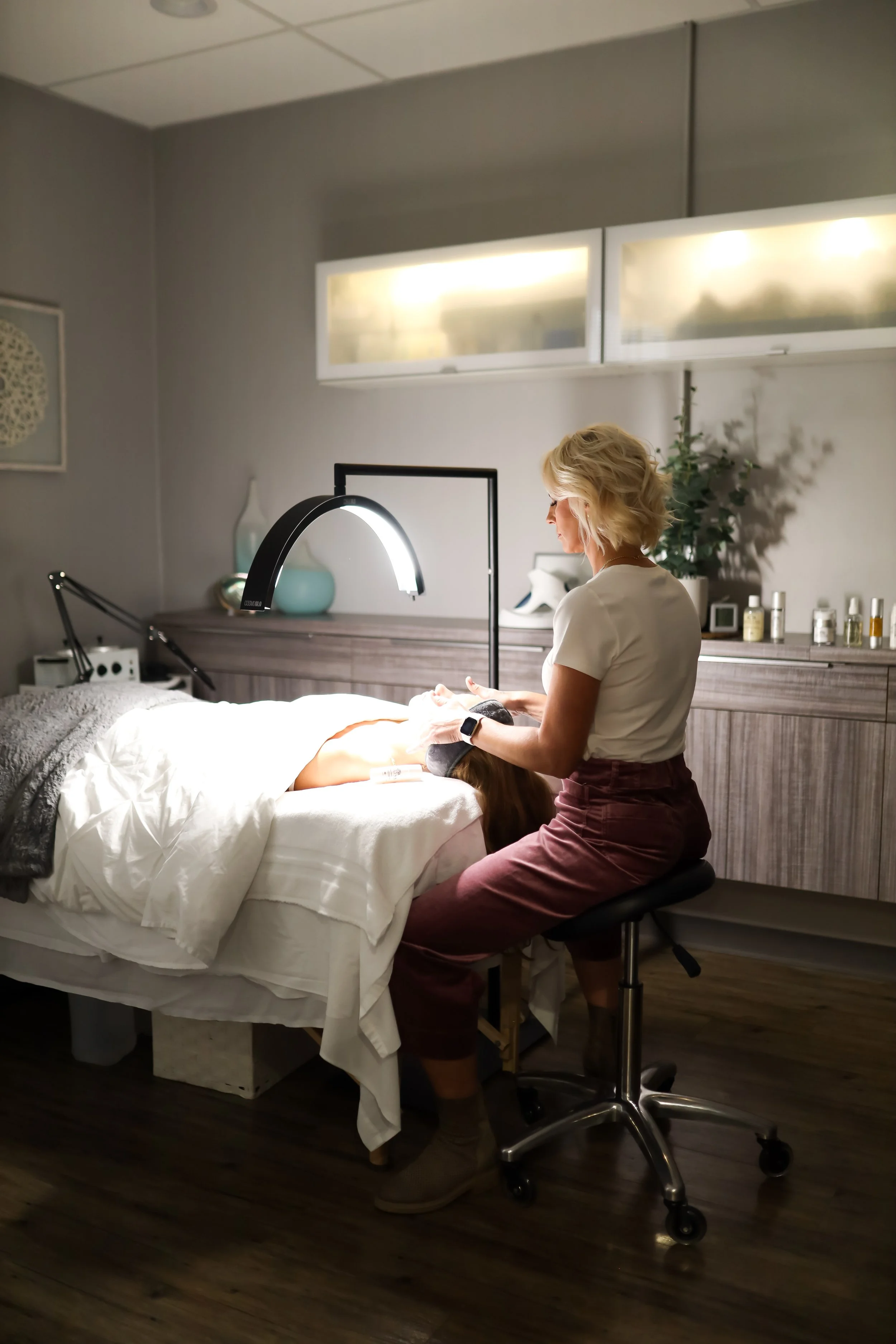
At Spalina Skincare, I don't treat symptoms in isolation. I look at the whole picture , your hormone stage, your skin's current barrier health, your history, and your goals. I build a plan from there.
Here's what that approach focuses on:
Barrier repair first. Before we address anything else, your skin barrier needs to be healthy enough to respond to treatment. That means the right cleansers (never stripping), the right moisturizers (lipid-rich, not just water-based), and ingredients like ceramides, peptides, and niacinamide that rebuild what hormonal change has broken down.
Targeted corrective treatments. Once the barrier is stable, we can work on collagen stimulation, texture, pigmentation, and firmness. We use treatments and ingredients calibrated to where you are right now, not where you were at 30.
A home care routine that actually works. What you do every day matters more than any single in-studio treatment. I'll help you simplify your routine, cut what's not working, and add what will, without overwhelm.
Ongoing coaching and support. Your skin will keep changing. I'll help you stay ahead of it.
The Ingredients That Actually Create Change in Perimenopausal Skin
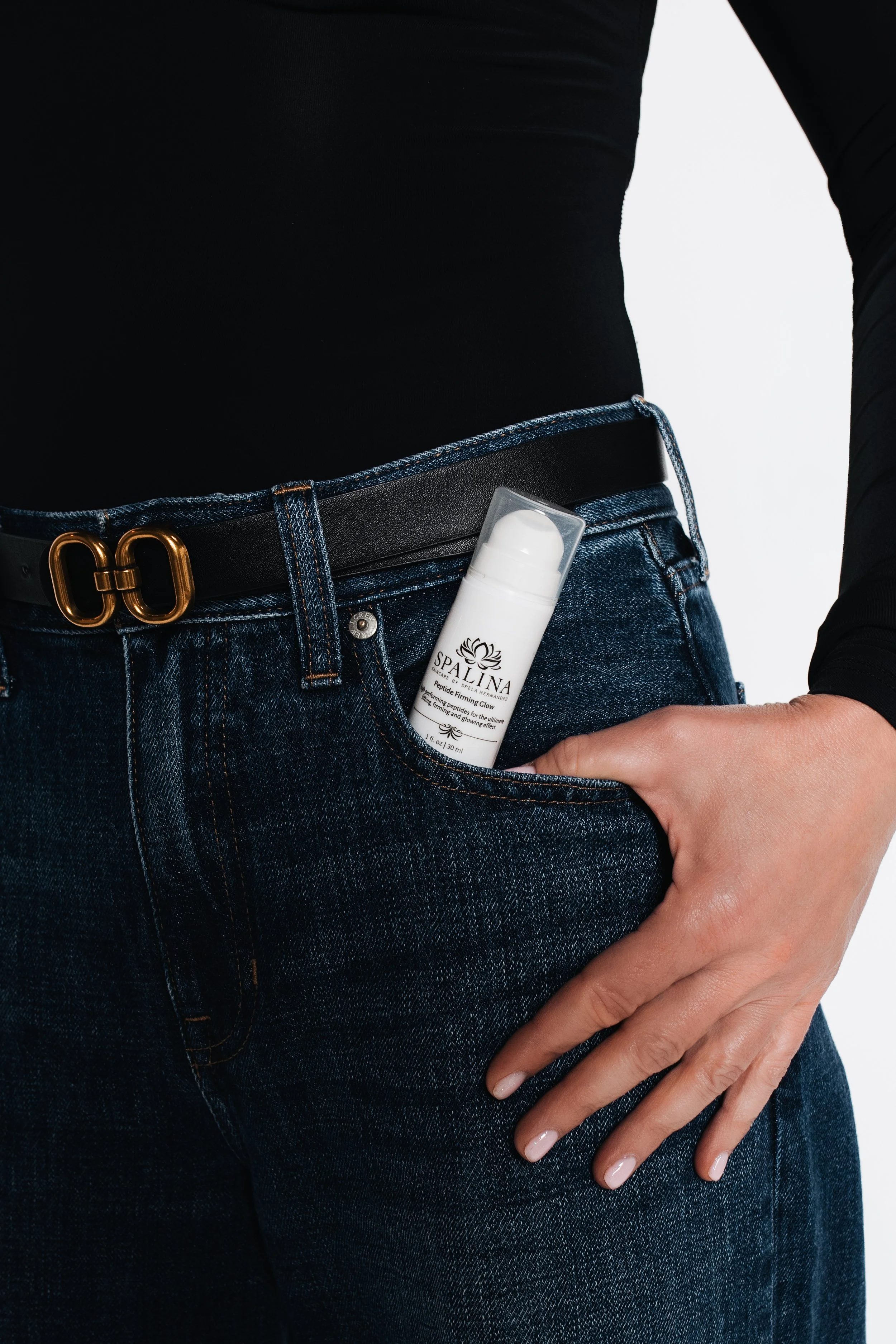
Here's something I've learned over 20 years: most skincare products manage symptoms. The Spalina line was built to create real, lasting change at the cellular level, where perimenopause is actually doing its damage.
The ingredients I formulated into our serums are not the ones you'll find on the shelf at a drugstore or even most boutique brands. These are professional-grade, results-oriented actives that I chose specifically because they work with the biology of hormonally shifting skin — not around it.
Human stem cells.This is where real skin transformation begins.Stem cell technology signals your skin's own repair mechanisms to activate, supporting cellular renewal at a level that topical moisturizers simply cannot reach. For perimenopausal skin that has slowed its natural renewal cycle, this is one of the most powerful tools we have.
Cytokines. Naturally occurring signaling proteins that direct skin cells to regenerate, repair, and produce collagen. Cytokines are part of your skin's own language. As hormones decline, that internal communication weakens. Supplying cytokines topically helps restore it.
Peptides. Chains of amino acids that directly stimulate collagen and elastin production. Not all peptides are equal; the peptides in the Spalina serums are chosen for their specific action on the structural proteins perimenopausal skin is losing fastest.
Gold. Pure gold particles have been used in advanced skincare for their anti-inflammatory and conductivity properties. Gold helps active ingredients penetrate deeper into the skin while calming the reactivity that perimenopausal skin is prone to.
Glutathione. One of the most potent antioxidants the body produces, and one that declines with age and hormonal change. Topical glutathione brightens, protects against oxidative stress, and helps even out the pigmentation shifts that often accompany perimenopause.
Zinc. Essential for skin repair, oil regulation, and protecting the skin against environmental damage. Especially important for perimenopausal women experiencing hormonal breakouts alongside dryness.
Minerals and antioxidants. The Spalina serums are built on a mineral-rich base that feeds skin the micronutrients it needs to function well. Antioxidants neutralize the free radical damage that accelerates in perimenopausal skin, helping protect the collagen you're working hard to rebuild.
This is the gold of the Spalina line and it's why clients who have tried everything else finally see results. These are not ingredients that sit on the surface. They go to work.
Working With Your Skin at This Stage
Perimenopause is not a skin crisis. It's a transition and transitions can be navigated beautifully with the right guidance.
I've spent 20 years helping women at exactly this stage stop fighting their skin and start working with it. Whether you come to see me in my Lake Forest, CA studio, or we work together online, I'll help you build a skin strategy that's honest, science-based, and designed for the woman you are right now, not the generic advice.
Your skin can still glow. It can still be healthy, resilient, and something you love and wear proudly. It just needs a different approach.
Ready to Start?

Book an In-Studio Appointment
Corrective customized facial treatments in Lake Forest, CA, designed specifically for perimenopausal and menopausal skin.

Book an Online Skin Consultation
A one-on-one coaching session to build your personalized skin strategy, wherever you are.

Take the Skin Assessment
Answer a few questions and I'll recommend the right starting point for your skin, right now.
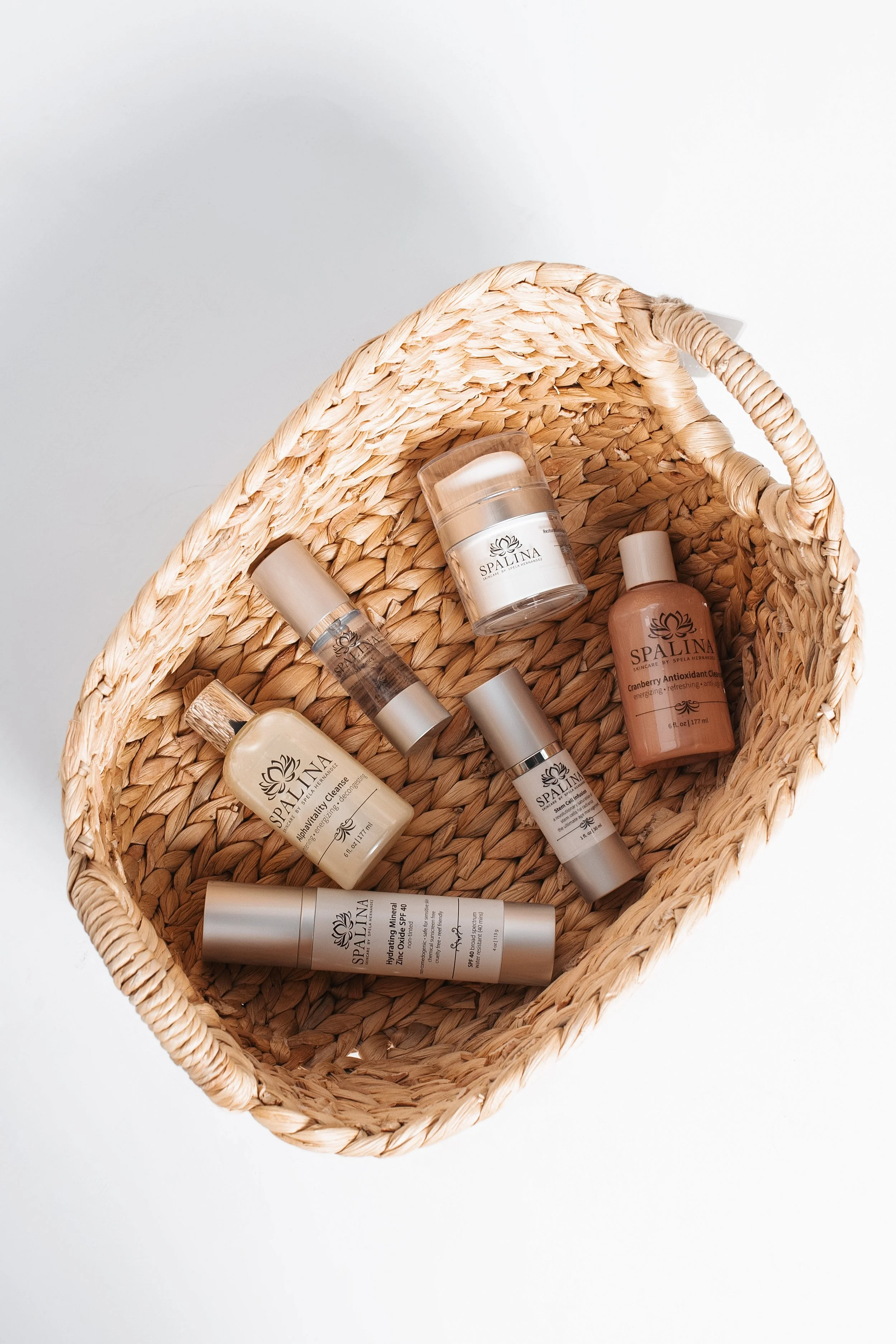
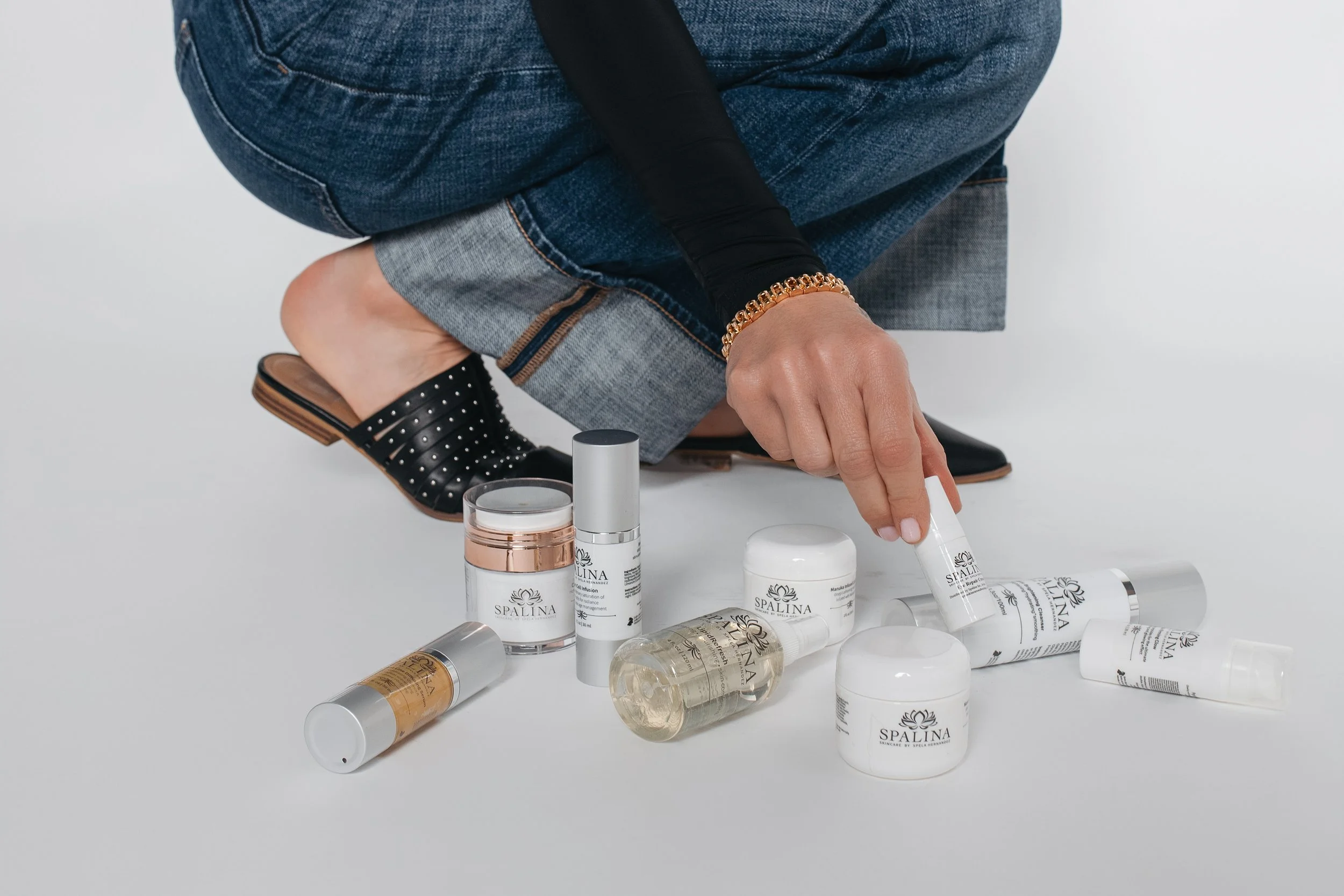
Shop the Spalina Line
Products I developed specifically for hormonally shifting skin. Clean, science-backed, and built to work.